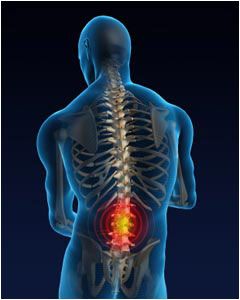
Herniated Disc: Symptoms and Recovery Options
A herniated disc is one of the most common spine-related issues that can cause intense back or neck pain. It occurs when the soft inner gel of a spinal disc pushes out through its outer layer, irritating nearby nerves. Many patients visit the Top orthopedic clinic in Chandigarh to seek relief from this condition, especially when pain interferes with daily activities.
Common Symptoms of a Herniated Disc
Recognizing early signs can help you seek timely care:
-
Sharp Back or Neck Pain: Pain may worsen while bending, twisting, or lifting.
-
Radiating Pain: Pain spreading to the arms or legs depending on the affected area.
-
Numbness and Tingling: A common sign when nerves are compressed.
-
Weakness in Limbs: Difficulty lifting objects or maintaining grip strength.
-
Limited Mobility: Stiffness and reduced flexibility due to discomfort.
If these symptoms persist, consulting experts at the Top orthopedic clinic in Chandigarh can help diagnose the severity using physical examination and imaging tests.
Recovery Options for a Herniated Disc
Most herniated discs improve with non-surgical treatments. Here are the commonly recommended recovery options:
1. Rest and Activity Modification
Avoid heavy lifting and sudden movements. Controlled rest helps reduce inflammation. You can receive personalized guidance at the Top orthopedic clinic in Chandigarh.
2. Medications
Anti-inflammatory drugs, pain relievers, and muscle relaxants can ease discomfort and improve mobility.
3. Physiotherapy
Specific exercises strengthen back and neck muscles, improve posture, and reduce pressure on the spine. Certified therapists at the Top orthopedic clinic in Chandigarh often recommend tailored exercise plans.
4. Hot and Cold Therapy
Ice helps reduce inflammation, while heat relaxes tight muscles and promotes healing.
5. Epidural Steroid Injections
These injections help reduce inflammation around the irritated nerves, offering temporary but effective relief.
6. Surgical Treatment
When severe nerve compression leads to persistent pain or weakness, surgery may be considered. Specialists at the Top orthopedic clinic in Chandigarh evaluate whether minimally invasive spine surgery is the best option for you.
When to See a Doctor?
If your pain lasts more than a few weeks, or if you experience worsening weakness, difficulty walking, or loss of bladder control, seek urgent medical attention. Getting care early at the Top orthopedic clinic in Chandigarh ensures quicker recovery and prevents complications.